Why choosing the right storage unit matters
Whether you are in the middle of a move, downsizing, or simply need extra space, selecting the right storage unit can save you money and protect your belongings. The wrong choice—too small, too large, or lacking the right features—leads to unnecessary expense and potential damage.
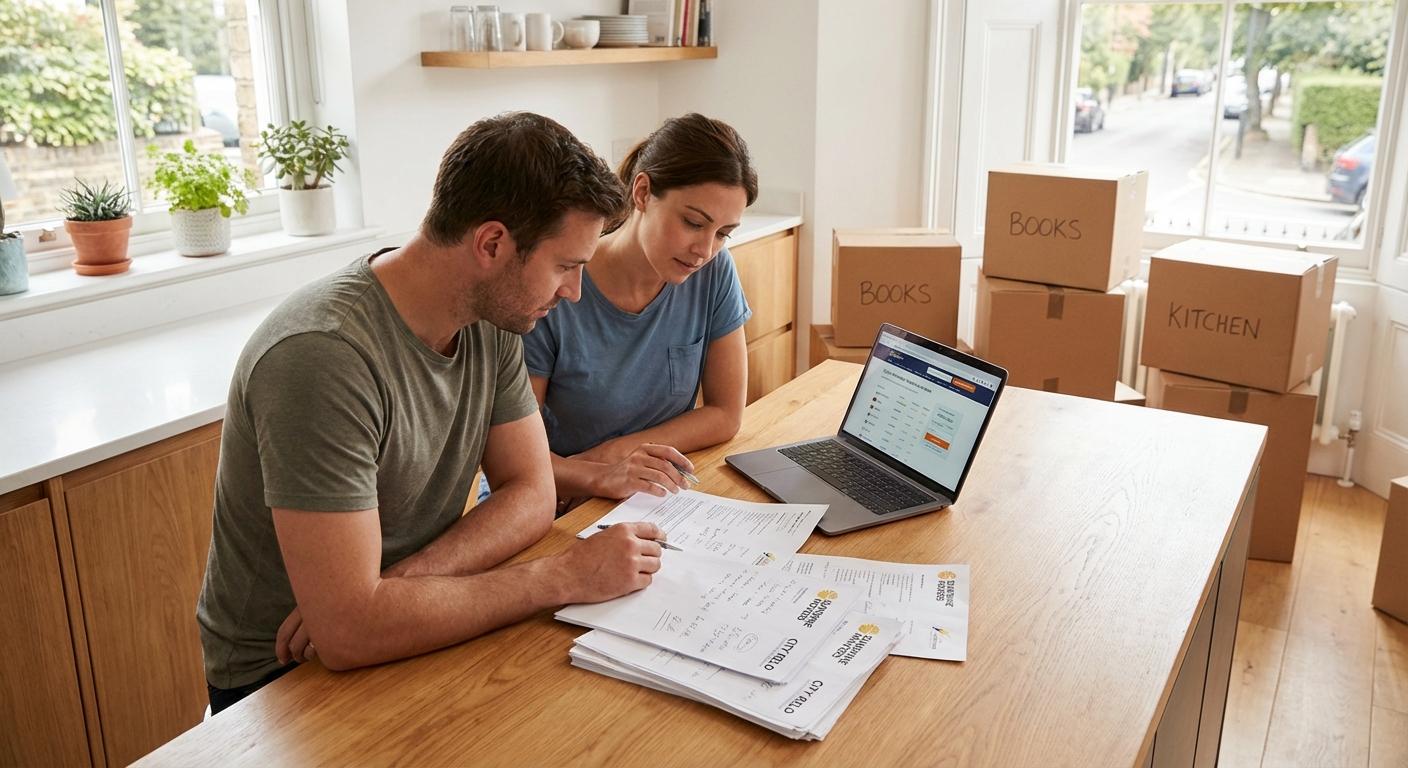
If you are coordinating storage with an upcoming move, start by getting the full picture. Estimate your moving costs to budget for both transportation and storage.
Assess your storage needs
Before you start comparing facilities, take stock of what you actually need to store.
- What types of items will go into storage? Furniture, electronics, documents, seasonal items?
- How much space do you realistically need?
- How long will you need the unit? A few weeks during a move, or months to years?
- Do any items require climate control or special handling?
Answering these questions upfront prevents you from renting a unit that is too large (wasting money) or too small (forcing you to cram items in unsafely).
Set your budget and choose a location
Budget
Storage costs vary widely based on unit size, location, features, and rental duration. Set a clear monthly budget before you start shopping so you can narrow your options quickly.
Location
A facility close to your home or new address offers convenience for frequent access. However, units farther from city centers often cost less. Decide how often you will need to visit your unit and let that guide your location choice.
Choose the right unit size
Storage units range from small 5x5 closets to large 10x30 spaces that can hold the contents of a full house. The key is matching the unit to your actual needs.
- Do not pay for empty space you will never use
- Consider whether your storage needs may grow over time
- Ask the facility for guidance based on your inventory list
Many facilities offer size calculators on their websites or will help you choose in person.
Evaluate security features
Your belongings deserve protection. Look for facilities that invest in serious security measures.
- Surveillance cameras covering all areas including hallways and entry points
- Controlled gate access with individual entry codes
- Well-lit premises, both interior and exterior
- On-site staff or security personnel
- Individual unit alarms (available at some facilities)
Consider climate control
Climate-controlled units maintain a consistent temperature and humidity level year-round. This matters for items sensitive to environmental changes.
Items that benefit from climate control:
- Wooden furniture (prevents warping and cracking)
- Electronics and appliances
- Documents, photographs, and artwork
- Musical instruments
- Leather goods and upholstered furniture
If you live in an area with extreme heat, cold, or humidity, climate control is worth the extra cost for anything you value.
Check access hours and convenience
How and when you can access your unit matters more than most people realize.
- Some facilities offer 24/7 access; others have limited hours
- Drive-up units allow you to pull a vehicle right to your door for easy loading
- Indoor units may require navigating hallways and elevators
- Consider whether you need frequent access or just occasional visits
Inspect the facility in person
Online reviews and photos only tell part of the story. Visit the facility before committing.
- Check overall cleanliness and maintenance of common areas
- Look for signs of pest activity
- Inspect unit doors, locks, and flooring condition
- Observe how well the facility is managed and staffed
- Ask about their pest control practices
Review the rental agreement carefully
Before you sign anything, read the contract thoroughly.
- Understand the payment schedule and accepted methods
- Note any auto-renewal clauses
- Check for early termination fees
- Confirm what happens if you pay late
- Verify whether the facility can raise rates during your rental period
Look into insurance options
Standard facility insurance may not cover the full value of your stored items.
- Check whether your existing homeowner's or renter's insurance extends to storage
- Ask the facility about their optional insurance plans
- For high-value items, consider a separate storage insurance policy
Tips to avoid overpaying for storage
Reassess your inventory
Before renting, sell, donate, or discard items you do not truly need to keep. Fewer items means a smaller, cheaper unit.
Right-size your unit
Do not pay for a 10x20 when a 10x10 will do. Measure your items and use the facility's size guide to find the best fit.
Plan your duration
If you only need storage for a few weeks during a move, look for month-to-month rentals rather than long-term contracts. Conversely, long-term commitments sometimes come with discounted rates.
Compare prices across facilities
Get quotes from at least three storage facilities. Prices can vary significantly even within the same neighborhood.
Watch for hidden fees
Ask about administration fees, insurance surcharges, lock purchases, and late payment penalties before you sign.
Take advantage of promotions
Many facilities offer first-month-free deals or discounted introductory rates. These promotions can meaningfully reduce your overall cost.
Consider off-peak timing
Demand for storage peaks during summer moving season. Renting during fall or winter may get you a better rate.
Get a free moving quote to coordinate your storage and moving needs together.
Final thoughts
If you are planning a long-distance move and need storage along the way, get a long-distance estimate to understand your full relocation costs.
Selecting the right storage unit comes down to understanding your needs, doing your research, and reading the fine print. Take the time to visit facilities, compare pricing, and choose a unit that protects your belongings without stretching your budget. A little upfront effort goes a long way toward a hassle-free storage experience.